
Workshops
The goal of a workshop is to provide participants the opportunity to gain experience with a specific skill, field or analytical technique. Workshops will take place the day before the start of the scientific program.
the times of the workshops will overlap, therefore, it is only possible to participate in one of them.
We are offering three amazing workshops on this conference:
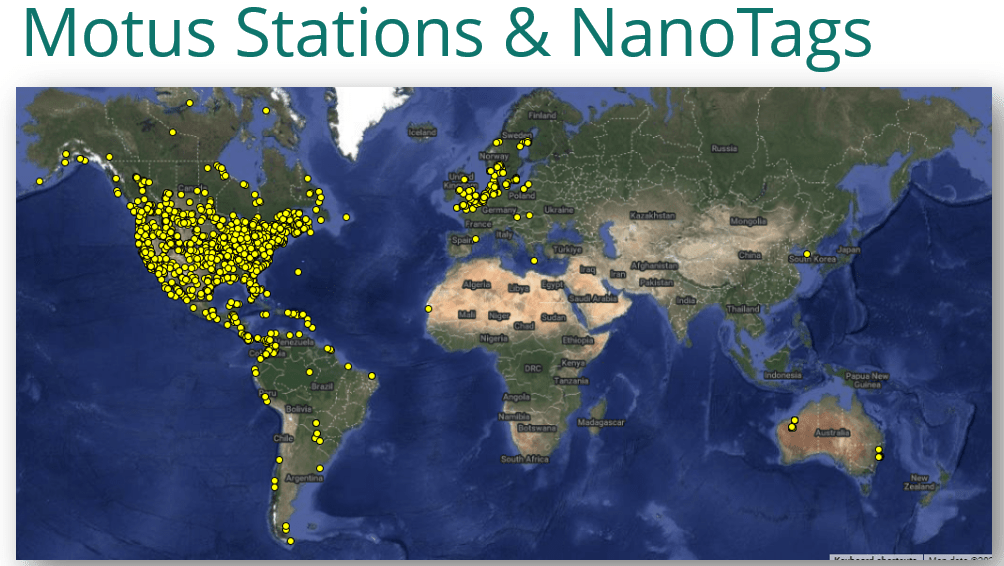
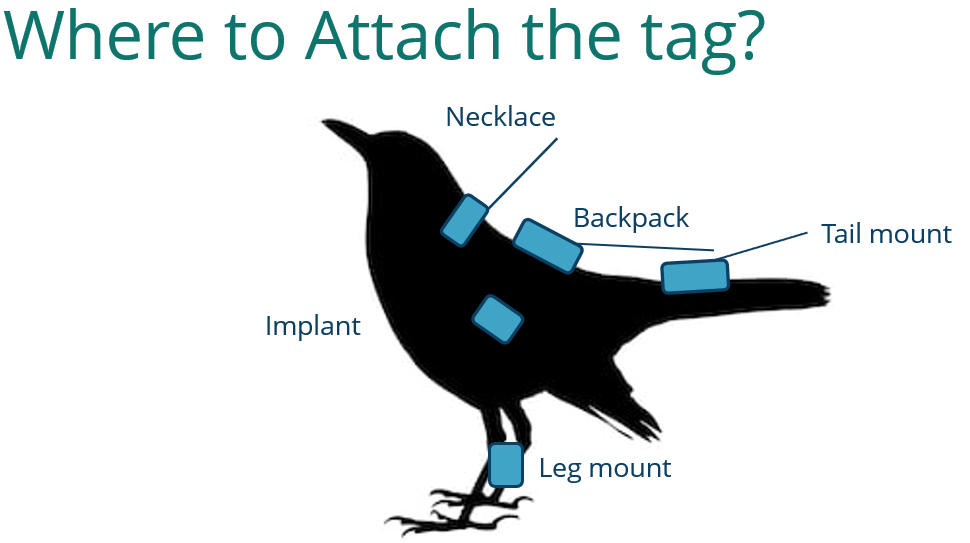
Beginner’s guide to bird tracking technologies
Leader: Mike Vandentillaart, Lotek Wireless
The course is designed for researchers that want to know about currently available transmitter options and the considerations involved in designing a telemetry study. We will discuss attachment methods and how they vary with species and technologies. The basic transmitter technologies will be examined in regards to how they work and the lightest tag weight in each category.
This short course will take place on the morning of July 7, 2026, the exact time and location on campus will be determined as soon as possible.
Visualizing and analyzing bird movement data in R
Leader: Nicholas Russo
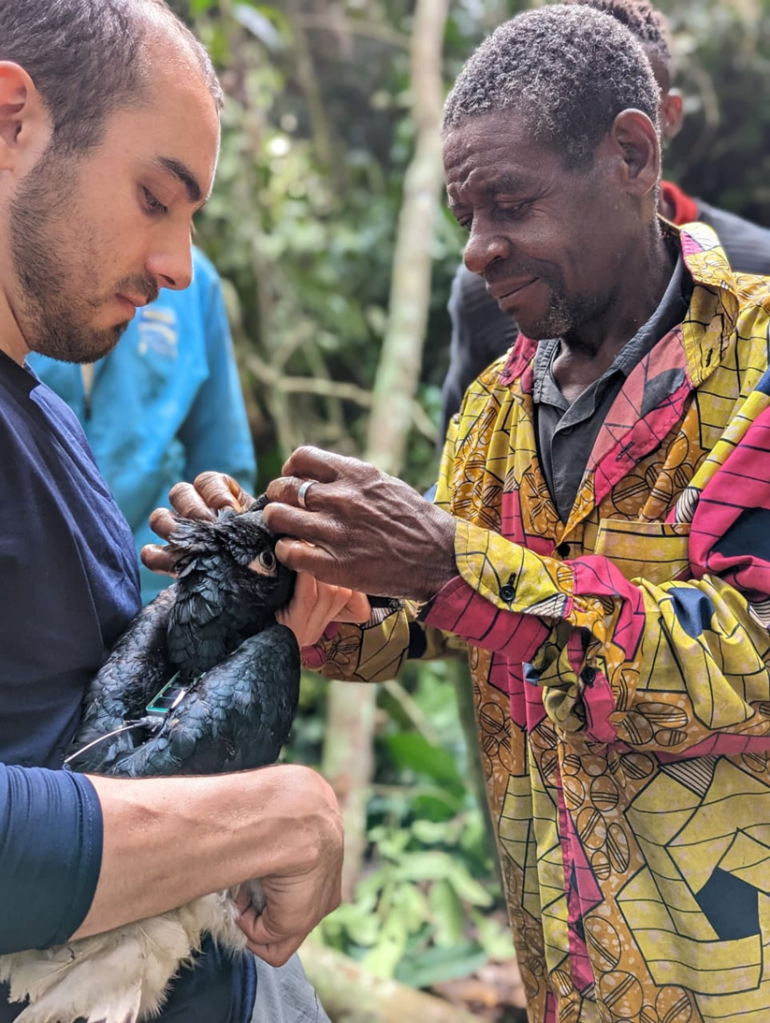
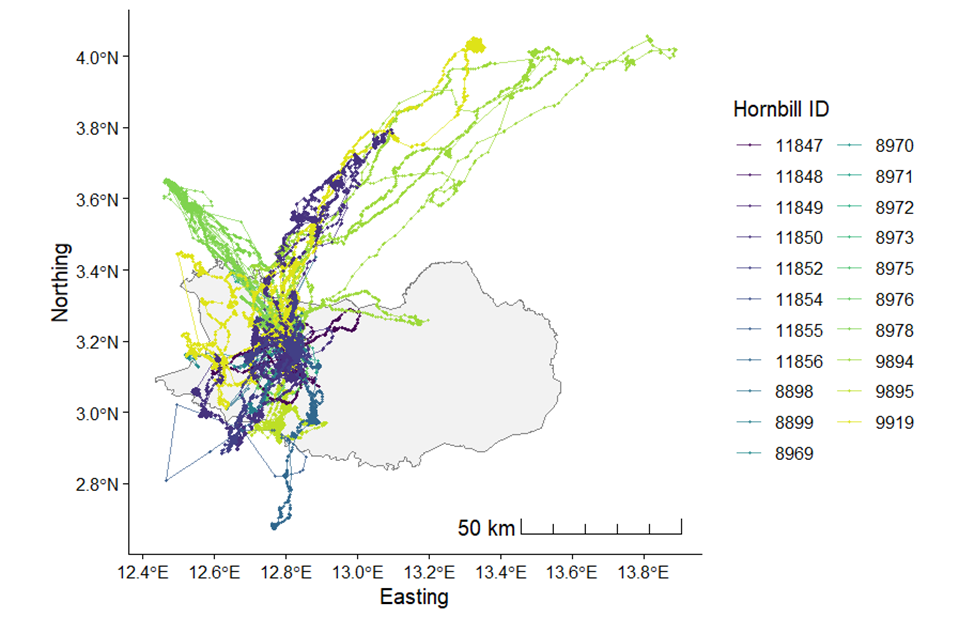
Tracking devices on animals collect at least 3 million movement measurements each day, thus broadening opportunities to discover where they move and why. With ever-decreasing size requirements of GPS trackers, more bird species can be tracked than ever. In this workshop, we will discuss: 1) How to acquire bird movement data from the open-access Movebank repository, 2) How to visualize GPS location data from birds, and 3) How to characterize habitat selection and movement behavior of birds using an integrated Step Selection Analysis (iSSA). Participants are encouraged to follow along using R statistical software as the material is presented, and to ask questions specific to their study systems. This workshop is geared towards students and early professionals, who not only stand to enrich their analytical “toolboxes,” but may also discover heaps of existing data that can contribute to a thesis or dissertation chapter with a regional or global focus. Participants of all career stages are welcome.
This short course will take place on the morning of July 7, 2026, the exact time and location on campus will be determined as soon as possible.
Training sound into discovery
Leader: Rafael Rueda-Hernández, Wildlife Acoustics
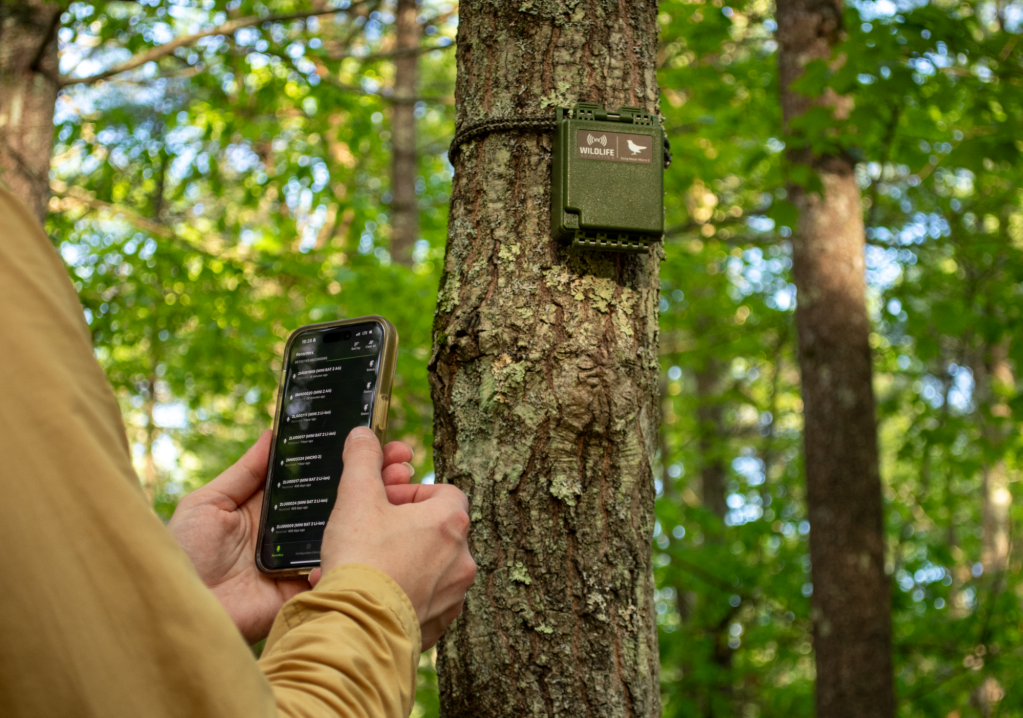
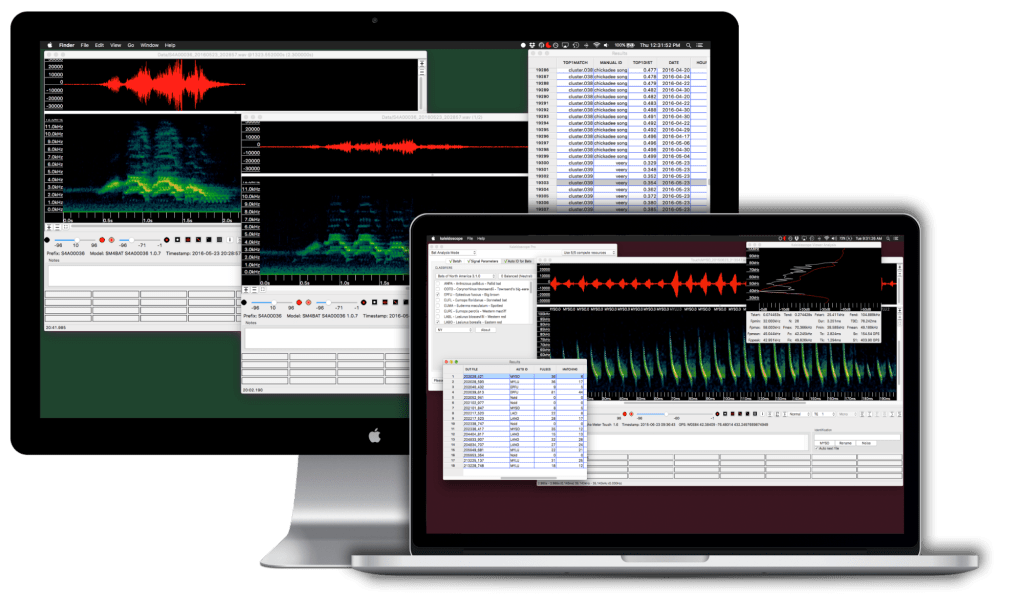
Sound analysis is increasingly becoming a valuable tool for biologists, environmental scientists, and managers to survey and monitor wildlife populations. It’s currently used to aid in resource management, habitat health assessment, regulatory compliance goals, animal behavior studies and even documenting the effects of climate change. Recording sound with a bioacoustics recorder is a reliable way to meet these project objectives. Bioacoustics is a non-invasive, cost-effective, and unbiased method for studying animal presence. Biologists all over the world have made the Song Meter platform the standard for bioacoustics recording, with over 50,000 recorders deployed in 90 countries. This hands-on workshop will teach participants the features and setup of the Song Meter SM4 and Song Meter Mini recorders to monitor for birds, frogs, and other wildlife.
This short course will take place on the morning of July 7, 2026, the exact time and location on campus will be determined as soon as possible.
Questions? Please contact Kristen Covino (kristen.covino@lmu.edu) or Rebecka Brasso (rebeckabrasso@weber.edu),
Chairs of the Scientific Program Committee.
 AFO WOS 2026